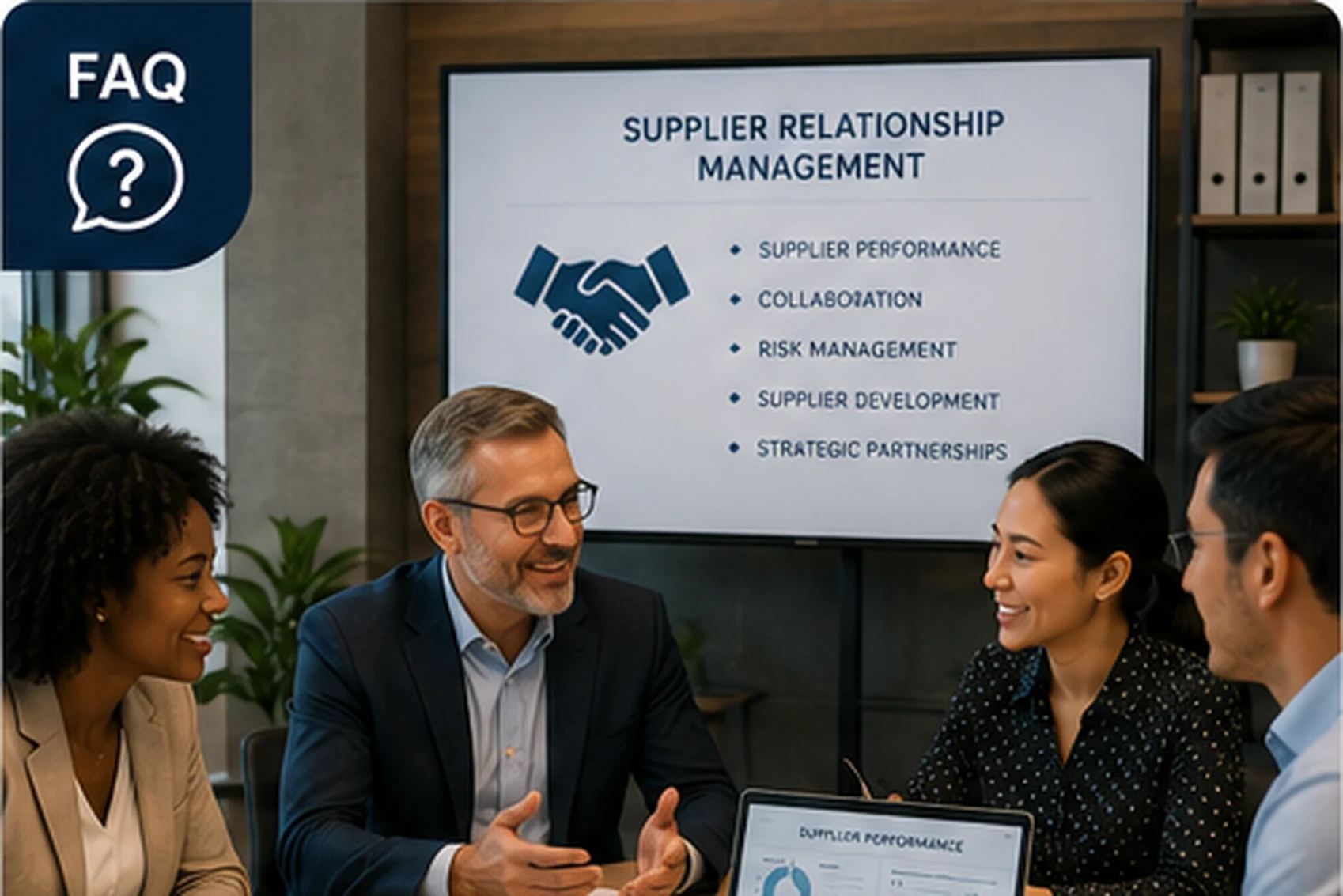
Organizations increasingly rely on suppliers as strategic partners that contribute directly to operational performance, innovation, cost management, and business continuity. Effective supplier relationship management enables organizations to move beyond transactional supplier interactions and establish collaborative partnerships that support long-term success.
This in-house training program is designed to help organizations strengthen supplier relationship management capabilities through structured supplier segmentation, performance management, supplier development, and collaboration strategies. Participants will learn practical techniques for improving supplier performance, managing supplier risks, enhancing communication, and creating sustainable supplier partnerships.
The Supplier Relationship Management program combines internationally recognized procurement and supplier management best practices with practical tools and methodologies that help organizations improve supplier performance, strengthen supply continuity, and maximize supplier value.
Business Challenges Addressed
Poor supplier performance and accountability
Supply disruptions and continuity risks
Limited supplier collaboration
Ineffective supplier communication
Supplier dependency and concentration risks
Lack of supplier segmentation strategies
Weak supplier performance measurement
Inadequate supplier development initiatives
Contract compliance challenges
Limited supplier innovation and value creation
Key Learning Outcomes
Understand supplier relationship management principles and frameworks
Segment suppliers based on strategic importance and risk
Develop supplier relationship strategies aligned with business objectives
Improve supplier performance management processes
Strengthen supplier communication and collaboration
Identify and manage supplier-related risks
Implement supplier development initiatives
Improve supplier governance and accountability
Enhance supply continuity and resilience
Create long-term supplier value and strategic partnerships
Who Should Attend
This in-house program is designed for professionals involved in procurement, supplier management, supply chain operations, and commercial activities, including:
🏭 Procurement Managers
👷 Supplier Relationship Managers
🔧 Category Managers
📊 Procurement Specialists
⚙️ Supply Chain Managers
📋 Vendor Management Professionals
🧰 Contract Managers
🛡️ Commercial Managers
🏆 Purchasing Professionals
📈 Personnel responsible for supplier performance and supplier engagement
Training Methodology
This highly interactive in-house training program combines practical learning approaches designed to support operational application and organizational relevance, including: Programs can be customized to align with organizational procurement environments, supplier portfolios, and participant experience levels.
🎓
Instructor-Led Discussions
📋
Industry Case Studies
⚙️
Supplier Management Workshops
👥
Supplier Performance Analysis Exercises
🔍
Group Discussions
🗓️
Collaboration Planning Activities
💬
Supplier Risk Assessment Exercises
🤝
Interactive Team Engagement Sessions
Course Modules
01
Foundations of Supplier Relationship Management
Introduction to supplier relationship management
The evolution of supplier partnerships
Strategic versus transactional supplier relationships
Supplier relationship management frameworks
Roles and responsibilities in supplier management
Creating supplier value and business alignment
Building a supplier-focused culture
02
Supplier Segmentation & Governance
Supplier segmentation methodologies
Strategic, critical, and transactional supplier categories
Supplier governance frameworks
Defining supplier relationship strategies
Stakeholder alignment and accountability
Managing supplier portfolios effectively
Establishing supplier review processes
03
Supplier Performance Management
Developing supplier performance metrics
Supplier scorecards and KPIs
Performance monitoring techniques
Supplier review meetings and evaluations
Managing supplier non-performance
Performance improvement planning
Strengthening supplier accountability
04
Supplier Collaboration & Development
Building collaborative supplier partnerships
Supplier development programs
Innovation and continuous improvement initiatives
Joint performance improvement projects
Supplier communication strategies
Managing supplier expectations
Creating long-term supplier value
05
Supplier Risk Management & Continuous Improvement
Identifying supplier-related risks
Supply continuity planning
Managing supplier dependency risks
Supplier risk assessment methodologies
Supplier contingency planning
Continuous improvement approaches
Sustaining long-term supplier excellence
Modules can be customized to align with your organization's specific industry, operational environment, and participant experience levels.
Common questions about Supplier Relationship Management IHT.
Can this program be customized for our organization?
Yes. The program can be tailored to align with your supplier management structure, supplier portfolio, performance objectives, and organizational priorities.
Is this course available for virtual delivery?
Yes. The program can be delivered onsite, virtually, or through a hybrid learning format.
Does this course include practical case studies?
Yes. Participants will work through practical supplier management scenarios, supplier performance reviews, supplier segmentation exercises, and supplier development activities.
Who is this course most suitable for?
The program is designed for procurement professionals, supplier relationship managers, category managers, supply chain personnel, and commercial professionals responsible for supplier performance and supplier engagement.
Can the duration be customized?
Yes. The course can be adapted to suit organizational requirements, participant experience levels, and supplier management priorities.
Ready to Build Stronger Supplier Partnerships and Improve Supplier Performance?
Partner with Train Develop Empower to equip your team with practical supplier relationship management capabilities that improve supplier performance, reduce risks, strengthen collaboration, and create sustainable business value.